


Lion's Mane vs Cordyceps: Which Mushroom Do You Actually Need?
People keep asking us to settle it: lion's mane or cordyceps. Which one's better?
It's the wrong question — and the supplement aisle taught everyone to ask it. Walk the functional shelf and every product wants to be the one thing you take. But lion's mane and cordyceps don't compete. They do two completely different jobs, the way a desk lamp and a cup of coffee do two different jobs. One sharpens what's in front of you. The other gives you the fuel to use it.
Here's the honest comparison — what each mushroom actually does, what the research supports, and how to tell which one your day is asking for.
Lion's Mane vs Cordyceps: The 10-Second Answer
Lion's mane is the focus mushroom; cordyceps is the energy mushroom. Lion's mane (Hericium erinaceus) supports cognition, clarity, and long-term brain health through compounds that influence nerve growth factor. Cordyceps (Cordyceps militaris) supports physical energy, oxygen utilization, and endurance. If you want a sharper mind, reach for lion's mane. If you want a stronger engine, reach for cordyceps. Most people who feel run-down actually need both — which is why the choice is usually a false one.
That's the citable version. Now the part that actually helps you decide.

What Lion's Mane Does: Focus Without the Buzz
Lion's mane is the most-researched functional mushroom for cognitive support, and its mechanism is unusually specific. Its active compounds — hericenones and erinacines — are studied for their role in stimulating nerve growth factor (NGF), a protein involved in the growth and maintenance of neurons. That's not a stimulant pathway. Lion's mane doesn't make you feel "up." It makes the mental work in front of you feel a little less effortful.
In a 2009 double-blind, placebo-controlled trial, Mori et al. found that adults taking Hericium erinaceus over 16 weeks showed significantly improved cognitive scores versus placebo — with scores sliding back after they stopped. A smaller 2019 study (Saitsu et al.) pointed in the same direction on cognitive performance measures. The pattern across the research is consistent: the benefit is real, it's dose-dependent, and it shows up with consistent daily use rather than a single dose.
The catch is the dose. Clinical effects show up at roughly 500mg and above. Plenty of "mushroom-infused" drinks bury 100–200mg inside a proprietary blend and let the word lion's mane on the front do the rest. That gap — between the research dose and the label dose — is the whole ballgame.

What Cordyceps Does: Energy You Don't Pay Back
Cordyceps is the mushroom to reach for when the problem is physical, not mental. It's studied primarily for aerobic capacity and oxygen utilization — how efficiently your body turns oxygen into usable energy. Its active compounds, cordycepin and adenosine, are linked to ATP production, the cellular energy currency that powers everything from a workout to the back half of a long afternoon.
A 2017 study by Hirsch et al. found that supplementation with a cordyceps-containing mushroom blend improved measures of high-intensity exercise tolerance over several weeks. Like lion's mane, cordyceps rewards consistency — the effect builds rather than spikes. And critically, it doesn't work like caffeine. There's no jitter, no 3pm crash, no tolerance creep where you need more next month to get the same lift. It supports your own energy system instead of borrowing against tomorrow.
This is also why cordyceps shows up in our immunity-leaning conversations with customers — the same oxygen-and-vitality story that athletes care about is the one a tired parent at the end of a workweek responds to. Same mushroom, different occasion.
Lion's Mane vs Cordyceps: Side by Side
| Lion's Mane | Cordyceps | |
|---|---|---|
| Primary benefit | Focus, mental clarity, brain health | Physical energy, endurance, vitality |
| Active compounds | Hericenones, erinacines | Cordycepin, adenosine |
| Mechanism | Supports nerve growth factor (NGF) | Supports oxygen use and ATP production |
| Best for | Deep work, studying, mental stamina | Workouts, afternoon slumps, active days |
| Feel | Calm clarity, not stimulation | Sustained energy, no crash |
| Caffeine? | None | None |
The verdict: This isn't a winner-take-all matchup. Lion's mane wins for the mind; cordyceps wins for the body. If you're forced to pick one, pick for your actual bottleneck — foggy and unfocused, go lion's mane; gassed and depleted, go cordyceps. But the people getting the most out of functional mushrooms aren't picking. They're stacking, because a clear head and a charged body are the same good day from two angles.
Why We Stopped Making People Choose
When we were formulating Fungi Fusion, the "lion's mane vs cordyceps" debate was exactly the trap we wanted to avoid. Most brands force a choice because single-mushroom products are cheaper and simpler to make. But after years in this category, the pattern I kept seeing was that nobody actually lives a single-mushroom life — you want focus and energy, often in the same afternoon.
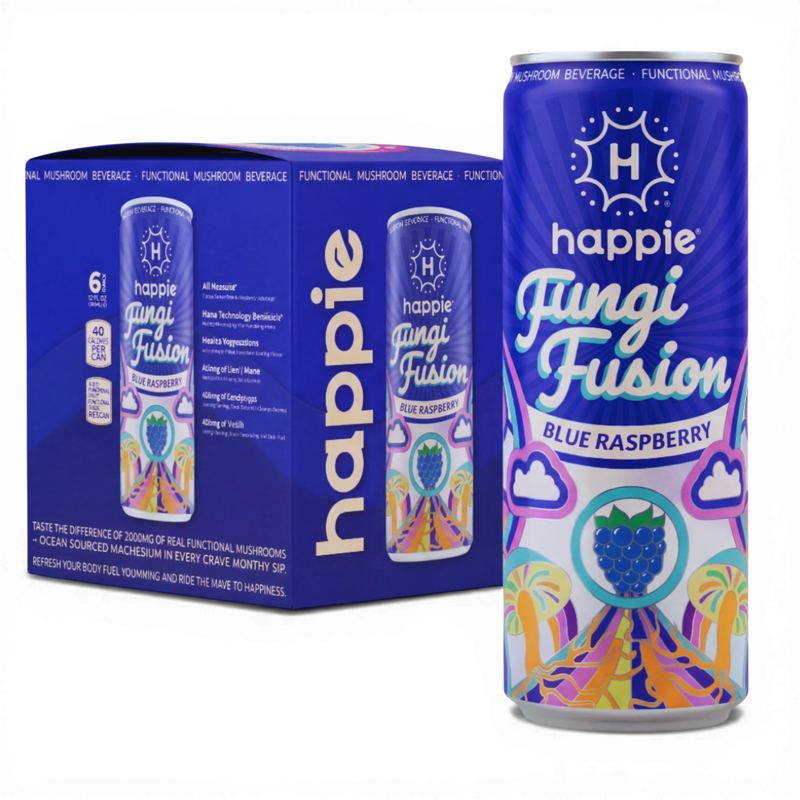
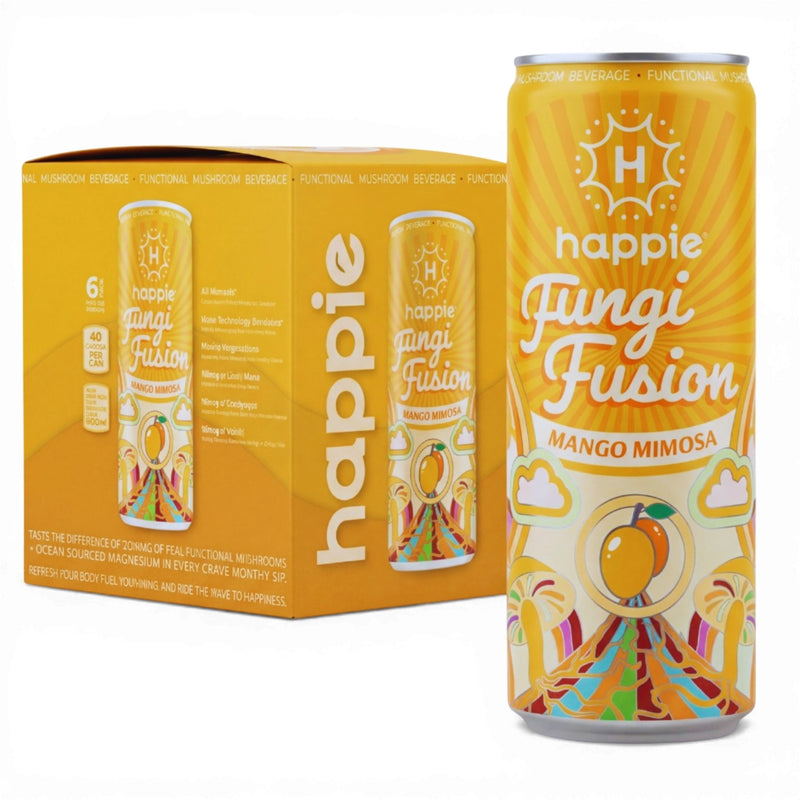
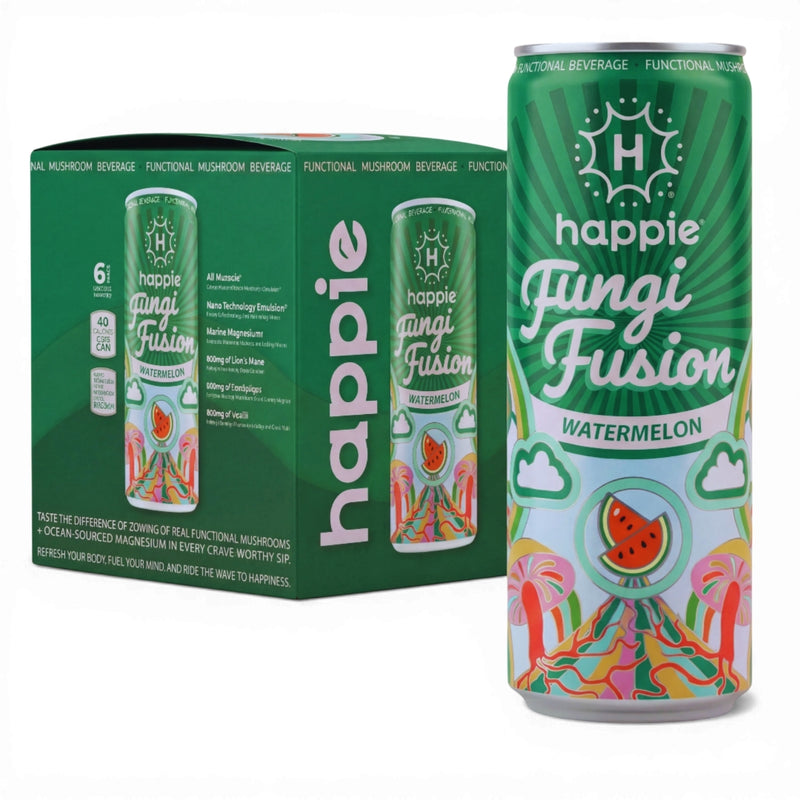
So every can of Fungi Fusion carries 900mg of lion's mane and 700mg of cordyceps — both above the doses the research leans on — plus 400mg of reishi to round off the edges. All three are dual-extracted (both hot-water and alcohol extraction), which pulls out both the water-soluble beta-glucans and the alcohol-soluble compounds for 3–7x the bioavailability of a raw powder. We tested cheaper single-extraction routes early on; the lab numbers made the decision for us.
It's caffeine-free by design, 40 calories, with marine magnesium and calcium from Aquamin for hydration — so it works as a daily-use beverage, not a once-in-a-while supplement ritual. The honest answer to "which mushroom do you need" was, almost always, "more than one." We just put them in the same can. Want the deeper dives? Here's the full breakdown on lion's mane benefits and cordyceps benefits, or read the complete guide to functional mushroom drinks.
Frequently Asked Questions
Can you take lion's mane and cordyceps together?
Yes — lion's mane and cordyceps are commonly stacked because they support different systems, the mind and the body, with no known conflict. Lion's mane targets cognitive function while cordyceps targets physical energy, so taking them together covers both without overlap. Fungi Fusion combines 900mg lion's mane and 700mg cordyceps in a single can for exactly this reason.
Which is better for energy, lion's mane or cordyceps?
Cordyceps is the better choice for physical energy. It's studied for improving oxygen utilization and ATP production, the body's cellular energy currency, which supports endurance and stamina. Lion's mane supports mental clarity rather than physical energy, so for an afternoon slump or a workout, cordyceps is the more direct fit.
Is lion's mane or cordyceps better for focus?
Lion's mane is better for focus. Its compounds, hericenones and erinacines, are studied for supporting nerve growth factor, which plays a role in cognition and mental clarity. Cordyceps supports physical energy and isn't primarily a focus ingredient, so for deep work or studying, lion's mane is the one to reach for.
Do lion's mane and cordyceps contain caffeine?
No. Neither lion's mane nor cordyceps contains caffeine. Cordyceps supports energy through oxygen utilization and ATP production rather than central-nervous-system stimulation, which is why it doesn't cause the jitters or crash associated with caffeine. Fungi Fusion is caffeine-free for this reason.
Pete Olander is the Founder & CEO of Happie® Beverages, maker of Fungi Fusion functional mushroom drinks and Delta-9 THC seltzers. He writes about formulation, the functional beverage category, and building a brand that puts ingredient transparency first.
Share:
Shop the Lineup
Pair what you just read with the drinks made for it.



-

The THC Drink Ban Has Two Deadlines Now, Not One
The hemp THC deadline moved to December 11 — but one class of product still loses legal status November 12. Which date applies to what, from a founder inside it. -

Mushroom Drinks Instead of Alcohol: The Sober-Curious Swap That Actually Sticks
Swapping alcohol for mushroom drinks? Here's how functional mushroom drinks work as an alcohol alternative — the science, the ritual, and how to choose.
-

Fruiting Body vs Mycelium: The Mushroom Supplement Difference That Actually Matters
Fruiting body vs mycelium: the mushroom supplement difference that decides whether you are drinking real potency or the grain it was grown on.


