


Functional Mushrooms for Athletic Recovery: What a Sports Medicine Doctor Actually Thinks
By Pete Olander, Founder & CEO of Happie Beverages, with Dr. Veronica Jow, MD — Board-Certified Sports Medicine Physician, Founder of Avid Sports Medicine
Your post-workout routine probably looks something like this: protein shake, foam roller, maybe some ibuprofen if things got intense. It’s what most of us have done for years. But a growing body of research — and a growing number of sports medicine practitioners — are questioning whether that stack is actually optimized for how recovery works.
Functional mushrooms like Lion’s Mane, Cordyceps, and Reishi have been used in traditional medicine for centuries. What’s changed is that modern clinical research is now validating specific mechanisms that matter to anyone who trains hard: neurogenesis, oxygen utilization, inflammatory modulation, and sleep quality. These aren’t vague “wellness” claims. They’re measurable pathways that directly impact how fast and how completely you recover.
I’m Pete Olander, founder of Happie Beverages. I’ve spent six years formulating functional mushroom drinks — and I train hard enough (CrossFit four days a week, swimming three days) to personally need what I’m making to work. For this article, I brought in Dr. Veronica Jow, a board-certified sports medicine physician who’s spent over 16 years treating athletes from elite competitors to weekend warriors. Between her clinical lens and my formulation experience, we’re going to cut through the noise on what functional mushrooms actually do for recovery.
The Recovery Problem Nobody Talks About
Recovery isn’t one process — it’s several running simultaneously. Your muscles repair micro-tears. Your nervous system down-regulates from the stress response. Your brain processes motor patterns learned during training. Your immune system manages inflammation. And your sleep architecture determines how effectively all of this happens overnight.
The standard recovery toolkit — NSAIDs, passive rest, sugar-heavy sports drinks — addresses maybe one of these pathways and often compromises others. Ibuprofen blunts inflammation but also blunts the muscle adaptation signal. Sugary recovery drinks spike insulin but do nothing for neural repair. Passive rest helps muscles but doesn’t actively support the nervous system’s recovery needs.
This is where adaptogenic compounds get interesting. They don’t just mask a symptom — they modulate the underlying systems that drive recovery.
CLINICAL PERSPECTIVE
Dr. Veronica Jow, MD · Board-Certified Sports Medicine Physician“The biggest gap I see is that people think recovery is something you do after you already have an issue. In reality, recovery is a daily practice — sleep, strength training, nutrition, stress regulation — not just foam rolling when something hurts. Most athletes underestimate how much their nervous system and lifestyle habits drive healing, and focus instead on what supplement they take.”
What Functional Mushrooms Actually Do (The Science)
Functional mushrooms aren’t a single compound. Each species contains a distinct profile of bioactive compounds — primarily beta-glucans, terpenoids, and in the case of Lion’s Mane, hericenones and erinacines — that interact with different biological systems.
The key distinction from standard supplements: functional mushrooms are adaptogens, meaning they help regulate the body’s stress response rather than forcing a single directional effect. They don’t “boost” or “suppress” — they modulate. For athletes, this matters because recovery requires your body to shift between states: from sympathetic (fight-or-flight during training) to parasympathetic (rest-and-repair after training) efficiently.
The three species most relevant to athletic recovery — and the three in Happie’s Fungi Fusion line — each target a different aspect of that recovery cascade.
Lion’s Mane: The Cognitive Recovery Edge
Most athletes think about recovery in terms of muscle soreness. But cognitive recovery — your ability to focus, react, and learn motor patterns — is equally critical, especially in skill-based training.
Lion’s Mane (Hericium erinaceus) contains hericenones and erinacines, compounds that stimulate nerve growth factor (NGF) production. NGF is essential for the growth, maintenance, and survival of neurons. A 2009 study published in Phytotherapy Research found that adults who consumed Lion’s Mane extract for 16 weeks showed significant improvements in cognitive function compared to placebo, with benefits declining after supplementation stopped — suggesting an active, ongoing mechanism rather than a one-time effect.
For athletes, the practical application is this: Lion’s Mane supports the neural repair and adaptation that happens between training sessions. When you’re learning a new Olympic lift, refining your swim stroke, or sharpening reaction time, your brain is encoding those patterns during recovery. Supporting NGF production during that window isn’t a luxury — it’s infrastructure.
Happie’s Fungi Fusion delivers 900mg of dual-extracted Lion’s Mane per can — within the range used in clinical studies showing cognitive benefit and calibrated for daily functional use.
CLINICAL PERSPECTIVE — LION’S MANE
Dr. Veronica Jow, MD · Board-Certified Sports Medicine Physician“Athletes traditionally focus on muscle soreness, but cognitive fatigue is just as real — especially in sports that require coordination, timing, and decision-making. I see this with many types of athletes including runners, tennis players, and cyclists all the time. They’re physically capable, but mentally foggy, reactive, or slow to adapt to new movement patterns. Recovery isn’t just about tissue repair — it’s about giving the brain the conditions it needs to learn, adapt, and perform consistently.”
Cordyceps: Oxygen Uptake and Endurance Recovery
Cordyceps (Cordyceps militaris) has the most direct performance research of any functional mushroom. Its primary mechanism: improving how your body utilizes oxygen.
A 2010 study in the Journal of Alternative and Complementary Medicine demonstrated that Cordyceps supplementation improved oxygen uptake (VO₂ max) in healthy older adults. A 2016 study published in the Journal of Dietary Supplements found similar effects in younger, active populations — participants showed improved aerobic capacity and time to exhaustion after three weeks of supplementation.
The recovery angle is less about what happens during your workout and more about what happens after. Better oxygen utilization means your body clears metabolic waste (lactate, hydrogen ions) more efficiently post-exercise. You’re not just performing better — you’re recovering the metabolic capacity to perform again sooner.
Each can of Happie Fungi Fusion contains 700mg of dual-extracted Cordyceps — a dose that reflects the ranges showing benefit in published research.
From a formulation standpoint, the extraction method matters enormously here. We use a dual-extraction process (hot water + 90-day alcohol extraction) specifically because Cordyceps’ bioactive compounds include both water-soluble beta-glucans and alcohol-soluble cordycepin. A single extraction method misses half the profile.
CLINICAL PERSPECTIVE — CORDYCEPS
Dr. Veronica Jow, MD · Board-Certified Sports Medicine Physician“From a clinical standpoint, oxygen utilization is really about efficiency. The athletes who recover fastest aren’t always the strongest. They’re the ones whose bodies can clear metabolic stress and reset between efforts. Anything that supports that system — whether it’s aerobic training, breathwork, or targeted nutrition — can make a meaningful difference in how quickly someone bounces back.”
Reishi: The Inflammation and Sleep Compound
Reishi (Ganoderma lucidum) is the recovery closer. Its primary bioactive compounds — triterpenes and beta-glucans — operate on two fronts that are critical for athletes: inflammatory modulation and sleep quality.
On the inflammation side, Reishi’s triterpenes have been shown to modulate (not suppress) the inflammatory response. This is an important distinction. Acute inflammation after training is actually the signal that triggers muscle adaptation — you don’t want to eliminate it entirely, which is the problem with NSAIDs. Reishi appears to help regulate the inflammatory cascade so it does its job without becoming excessive or chronic. A 2012 review in Herbal Medicine: Biomolecular and Clinical Aspects documented Reishi’s immunomodulatory properties across multiple peer-reviewed studies.
On the sleep side, Reishi has a long history of traditional use for calming the nervous system, and emerging research supports its role in improving sleep quality without the sedation effects of pharmaceutical sleep aids. Better sleep architecture means more time in deep sleep and REM — the phases where growth hormone release and neural consolidation peak.
Happie Fungi Fusion includes 400mg of Reishi per can. The dose is intentionally lower than Lion’s Mane and Cordyceps because Reishi’s triterpenes are potent at smaller amounts, and the goal is daily functional use, not acute sedation.
CLINICAL PERSPECTIVE — REISHI
Dr. Veronica Jow, MD · Board-Certified Sports Medicine Physician“Sleep is the most powerful recovery tool we have, and it’s also the most ignored. I regularly see athletes training hard, eating well, and still plateauing because their sleep is fragmented or their nervous system is constantly in a stress response. When it comes to inflammation, my goal is never to completely eliminate it — inflammation is part of healing. The goal is balance. That’s why I’m cautious about relying on NSAIDs as a default solution and more interested in strategies that help the body regulate itself.”
A Sports Medicine Doctor’s Take on Mushroom Recovery
By Dr. Veronica Jow, MD — Board-Certified Sports Medicine Physician, Founder of Avid Sports Medicine
In my practice, I think about recovery as a system, not a single intervention. I use regenerative treatments but never in isolation. We combine them with movement, strength, and recovery strategies so the body can actually adapt and heal — not just temporarily feel better.
Most people are looking for a magic fix — a supplement, an injection, a device — but the truth is that healing happens when the fundamentals are in place. Movement, strength, sleep, nutrition, and stress regulation do the heavy lifting. Everything else is a tool that supports those processes.
That’s how I approach functional or adaptogenic ingredients, including mushrooms. I don’t see them as shortcuts, and I don’t recommend them as replacements for the basics. I see them as supportive tools that can help the body do what it’s already designed to do — recover, adapt, and get stronger over time.
I have patients who train hard, work demanding jobs, and live in a constant state of stimulation. Their nervous systems are running hot all day. In those situations, small daily supports that help regulate stress, improve sleep quality, or enhance focus can have a meaningful cumulative effect. Not dramatic overnight changes — but steady improvements in resilience and consistency.
What I tell skeptical athletes is this: the question isn’t whether something is natural or trendy. The question is whether it supports the physiology of recovery. If it helps you sleep better, think more clearly, or tolerate training load more effectively — and it’s safe — then it may have a role.
What excites me most about where sports medicine and functional nutrition are heading is the shift toward integration. We’re moving away from reactive care and toward building environments where the body can heal and perform. That’s a much more sustainable model for both athletes and everyday people.
Not All Mushroom Products Are Created Equal
This is where I need to be blunt as a formulator: most mushroom products on the market are under-dosed, poorly extracted, or both.
Three things separate a functional mushroom product that actually works from one that’s just riding the trend:
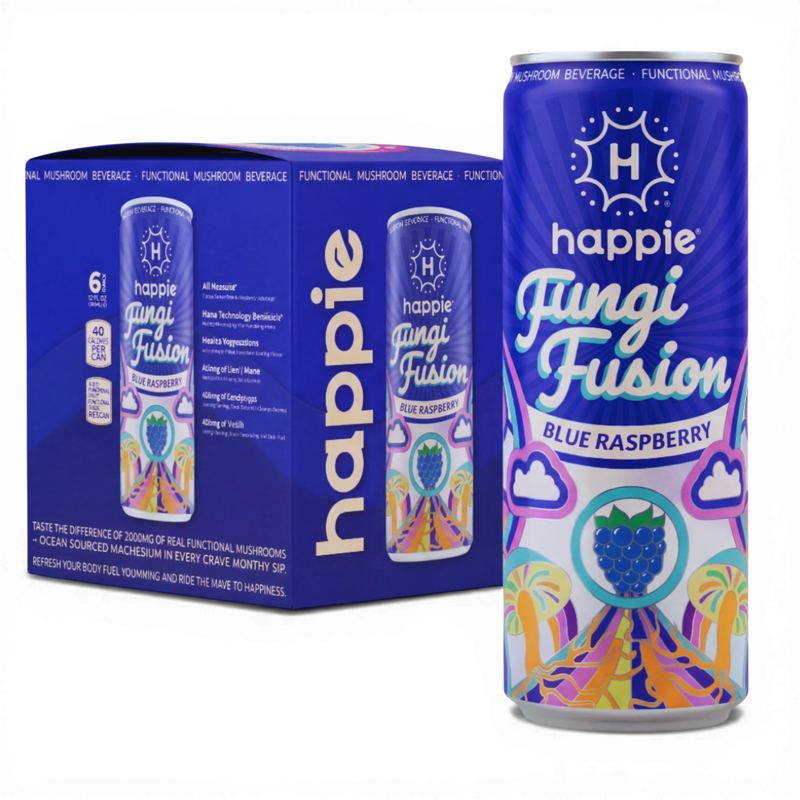
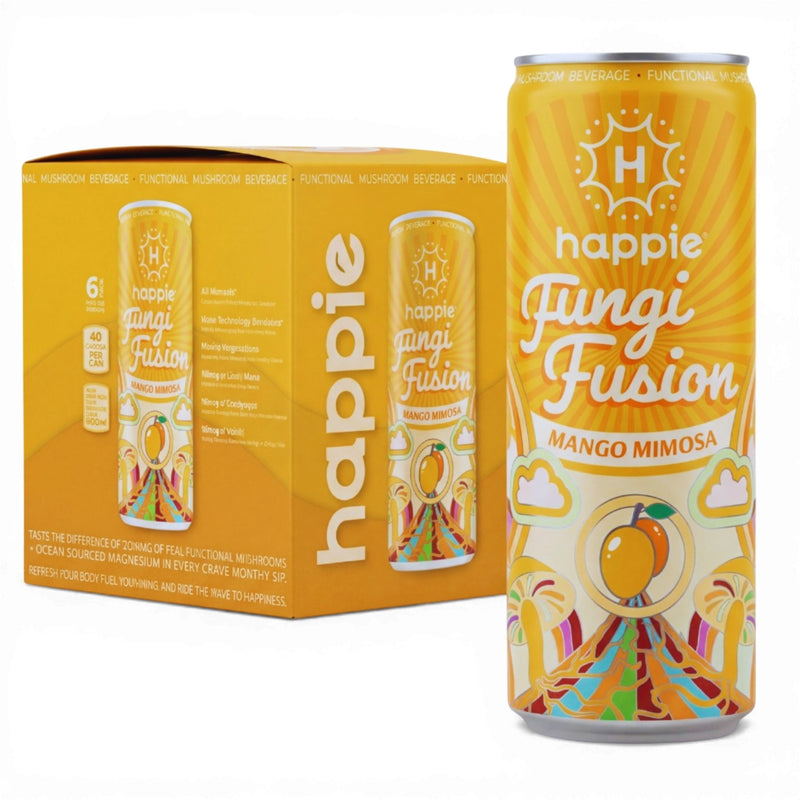
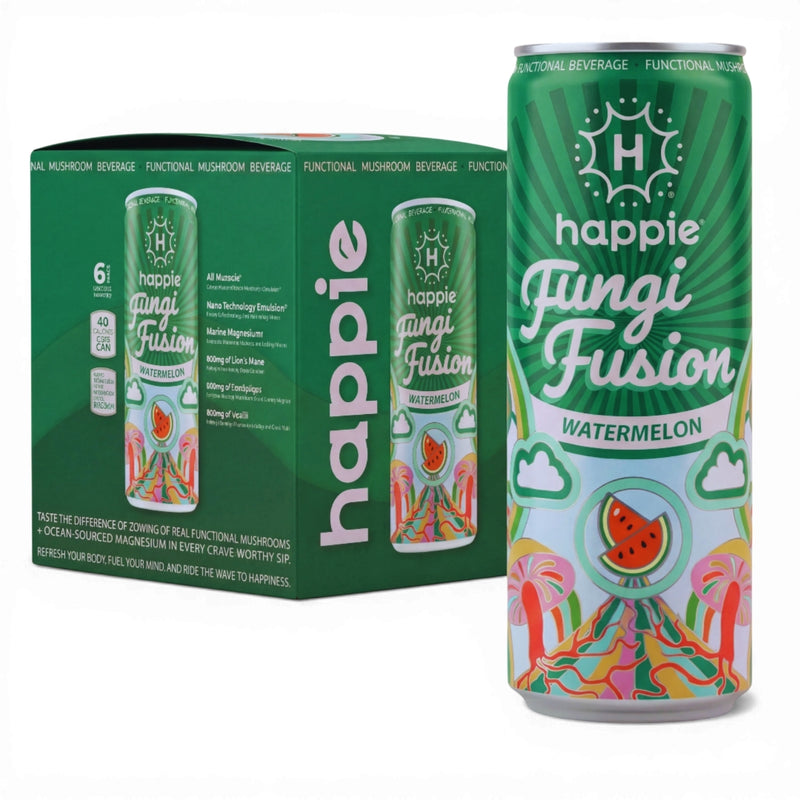
- Dosage: Many mushroom supplements contain 250–500mg of a mushroom blend — meaning you might be getting 100mg of any single species. The clinical studies showing cognitive and performance benefits use dosages of 500mg–3,000mg per species. Happie’s Fungi Fusion delivers 900mg Lion’s Mane, 700mg Cordyceps, and 400mg Reishi per can — each species dosed independently at clinically relevant levels.
- Extraction method: Mushroom cell walls are made of chitin, which the human body can’t break down efficiently. Raw or single-extracted mushroom products leave most of the bioactive compounds locked inside. Dual extraction (hot water + alcohol) breaks down the chitin and liberates both water-soluble compounds (beta-glucans) and alcohol-soluble compounds (triterpenes, hericenones). Our extraction process runs 90 days with fermentation — this isn’t a quick hot water steep.
- What’s actually in the product: Some mushroom supplements use mycelium grown on grain rather than fruiting body extracts. The difference matters: mycelium-on-grain products often test high in starch (from the grain substrate) and low in actual beta-glucan content. We use fruiting body extracts from North American organic farms with 3–7x bioavailability verified through our extraction process.
One thing I’ve learned after six years in functional beverages: the consumer can’t tell the difference in the store aisle. The label might say “mushroom blend” and contain almost nothing bioactive. That’s why we publish batch-specific COAs (Certificates of Analysis) for every production run — it’s the only way to prove what’s actually in the can.
How Functional Mushroom Drinks Fit Into a Real Recovery Protocol
Functional mushrooms aren’t a replacement for the fundamentals. Sleep, nutrition, hydration, and structured training still do 90% of the work. But for athletes who already have the basics dialed in, adaptogenic compounds can optimize the recovery systems that are doing the actual repair.
Here’s how I use Fungi Fusion in my own routine: one can in the morning after my CrossFit or swim session. The Lion’s Mane supports cognitive clarity for the work day (I’m running a company — focus matters). The Cordyceps supports metabolic recovery from the session. The Reishi builds over time to support sleep quality and inflammatory balance. It’s 40 calories, vegan, non-GMO, and replaces the sugar bomb that most “recovery” drinks are.
The key insight is consistency. Functional mushrooms aren’t like caffeine — you don’t feel a jolt. The benefits compound over weeks of daily use as the adaptogenic compounds accumulate and the body’s stress response systems recalibrate. Most of the clinical research showing positive outcomes uses 4–16 week supplementation windows.
CLOSING CLINICAL PERSPECTIVE
Dr. Veronica Jow, MD · Board-Certified Sports Medicine Physician“I frame functional mushroom beverages the same way I frame any recovery tool — as part of a larger system. If your sleep, movement, and nutrition are solid, these types of products can be a useful addition to support consistency and resilience. Start simple, pay attention to how your body responds, and focus on habits you can sustain long term.”
FAQ: Functional Mushrooms and Athletic Recovery
Are functional mushrooms safe for daily use?
Functional mushrooms like Lion’s Mane, Cordyceps, and Reishi have extensive safety profiles with centuries of traditional use and modern research supporting daily supplementation. As with any dietary supplement, individuals with specific medical conditions, those on immunosuppressive medications, or those who are pregnant should consult their healthcare provider before starting.
How long does it take to notice benefits from functional mushrooms?
Most research studies documenting cognitive and performance benefits use supplementation windows of 4–16 weeks. Unlike stimulants that produce an immediate effect, adaptogenic compounds build in the body over time. Consistency matters more than dose size — daily use at a functional dose outperforms occasional high-dose use.
Can functional mushrooms replace my current recovery supplements?
Functional mushrooms complement rather than replace foundational recovery practices. They work alongside proper nutrition, sleep, and hydration. Many athletes find they can reduce reliance on NSAIDs and sugar-heavy recovery drinks by incorporating adaptogens, but the goal is optimization, not substitution.
What makes a mushroom drink better than a mushroom capsule?
Bioavailability and compliance. Liquid delivery formats typically have faster absorption than capsules, and the ritual of drinking a beverage makes daily consistency easier than remembering to swallow pills. Happie’s Fungi Fusion also includes 230mg marine magnesium and 90mg marine calcium (Aquamin) — minerals that support muscle and nerve function — which you won’t find in a standalone mushroom capsule.
How much Lion’s Mane, Cordyceps, and Reishi should an athlete take daily?
Clinical studies showing cognitive benefits for Lion’s Mane typically use 500mg–3,000mg daily. Cordyceps research showing improved oxygen uptake uses similar ranges. Reishi is effective at lower doses (400mg+) due to the potency of its triterpene compounds. Happie Fungi Fusion delivers 900mg Lion’s Mane, 700mg Cordyceps, and 400mg Reishi per can — all within established research ranges.
Does Happie Fungi Fusion contain caffeine?
No. All Fungi Fusion products are caffeine-free, making them suitable for any time of day without disrupting sleep — a critical factor since sleep quality is one of the primary recovery mechanisms that Reishi supports.
About the Authors
Pete Olander — Founder & CEO of Happie Beverages (drinkhappie.com). Former J.P. Morgan & First Western Trust Bank, Nutrition53 veteran, functional beverage formulator since 2019. Personally involved in product sourcing, formulation, and distribution strategy for every Happie product. Daily CrossFit, swimming, and Fungi Fusion user.
Dr. Veronica Jow, MD is a board-certified physician in Internal Medicine and Sports Medicine and the Founder of Avid Sports Medicine in San Francisco. She specializes in helping active individuals recover from injury, build strength, and stay resilient over the long term through an integrated approach that combines movement, regenerative medicine, and lifestyle-based care. She is a Harvard graduate and has served as a team physician for the San Francisco Giants and UC Berkeley Athletics. Over the past 16+ years, she has treated everyone from elite competitors to everyday movers who simply want to keep doing what they love.
Ready to add functional mushrooms to your recovery stack?
Shop Happie Fungi Fusion →
Share:
Shop the Lineup
Pair what you just read with the drinks made for it.



-

The THC Drink Ban Has Two Deadlines Now, Not One
The hemp THC deadline moved to December 11 — but one class of product still loses legal status November 12. Which date applies to what, from a founder inside it. -

Mushroom Drinks Instead of Alcohol: The Sober-Curious Swap That Actually Sticks
Swapping alcohol for mushroom drinks? Here's how functional mushroom drinks work as an alcohol alternative — the science, the ritual, and how to choose.
-

Fruiting Body vs Mycelium: The Mushroom Supplement Difference That Actually Matters
Fruiting body vs mycelium: the mushroom supplement difference that decides whether you are drinking real potency or the grain it was grown on.


